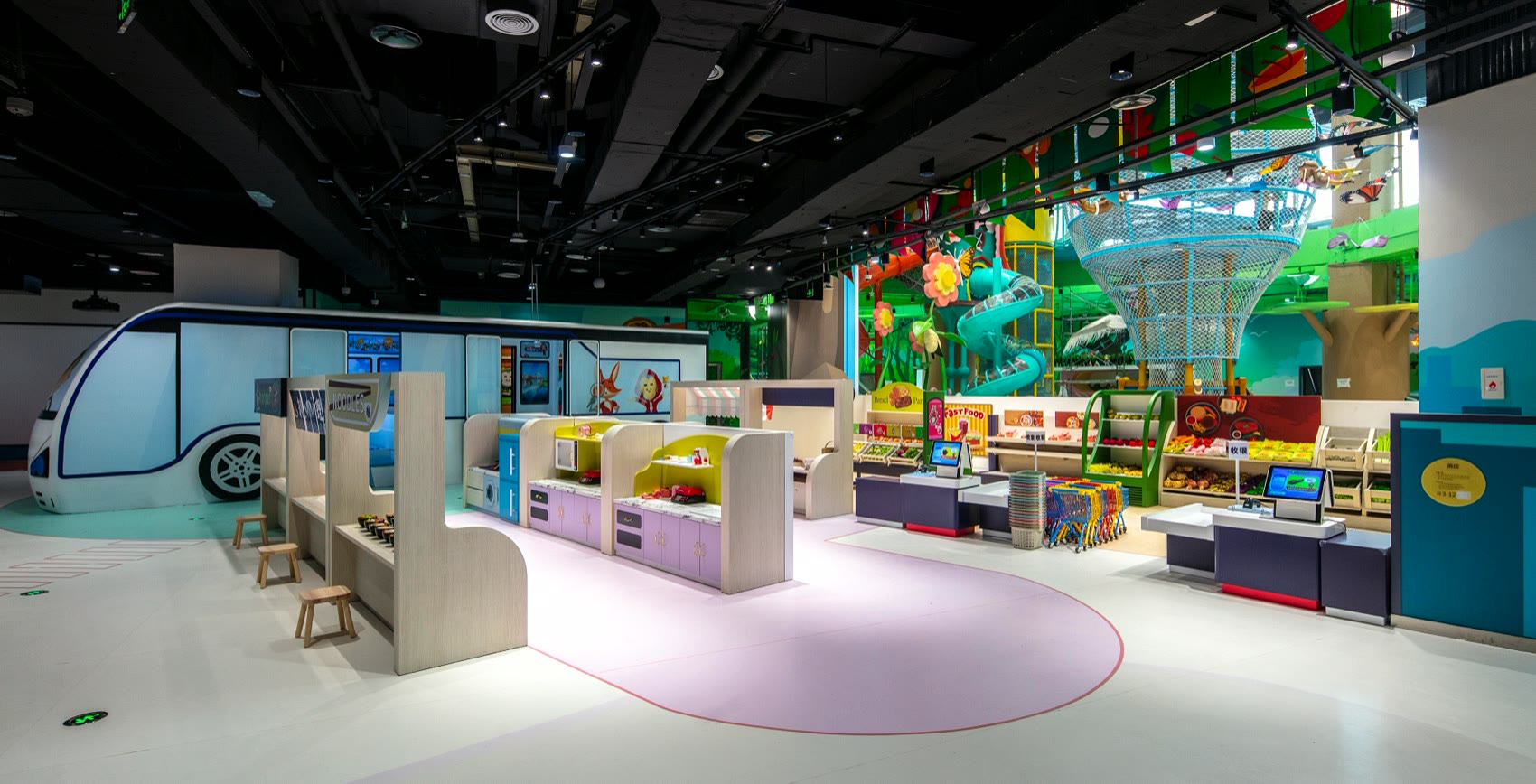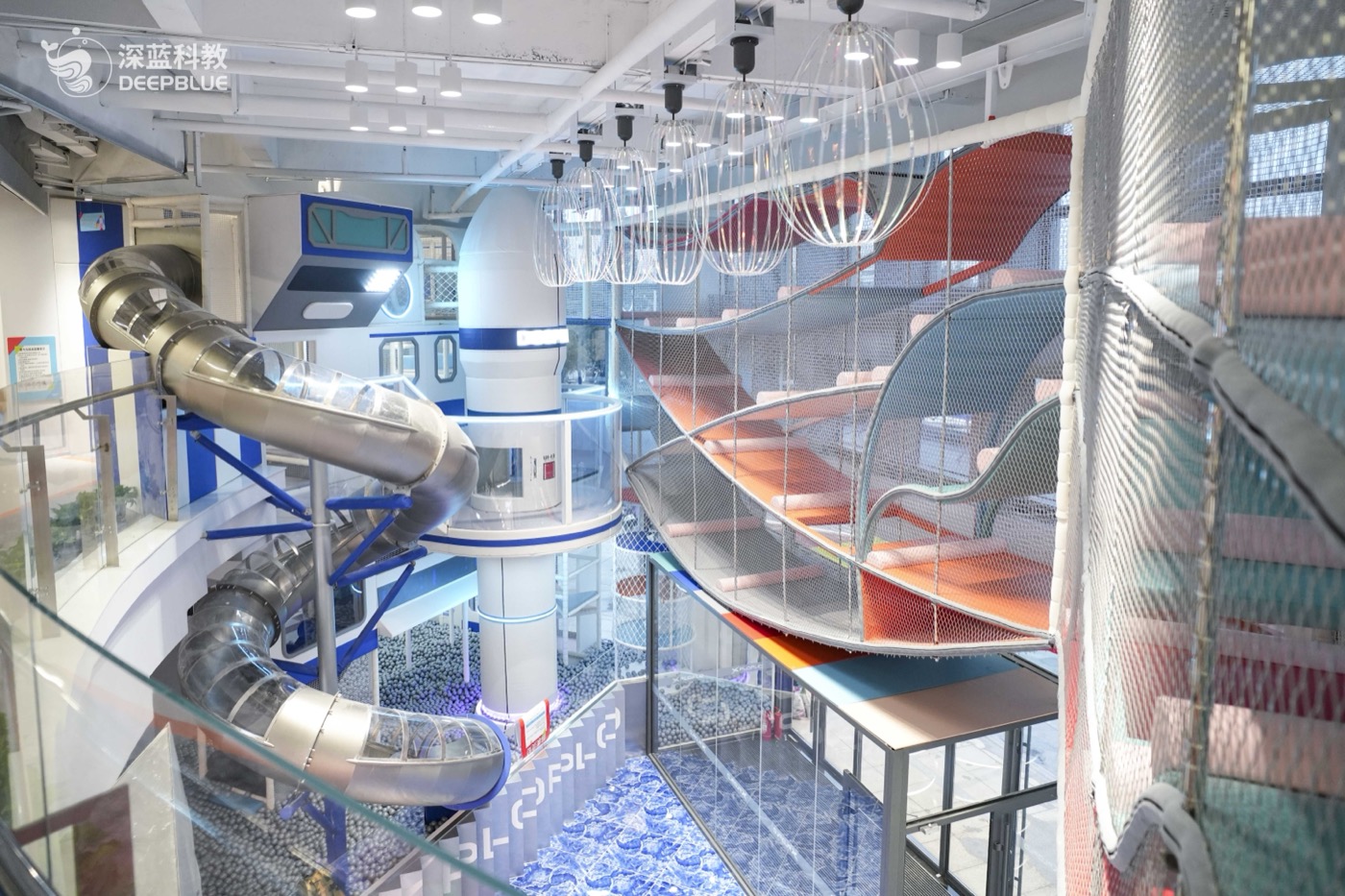
Self-operated children’s museum · In front of the DeepBlue factory, Shandong, China
XPLOPLO Exploration Museum
A three-floor, 6,000㎡ exploration museum connecting planning, exhibit development, manufacturing, construction and daily operation in one live venue.The recorded story
Case 01A three-floor, 6,000㎡ exploration museum connecting planning, exhibit development, manufacturing, construction and daily operation in one live venue.
XPLOPLO is not presented as a finished object separated from the people who made it. It is a live environment where planning, exhibit development, manufacturing, construction and operation can be examined as one connected system.
Because DeepBlue operates the venue beside its manufacturing base, the team can observe how children and families move, where facilitators need support, what needs resetting and which ideas invite repeated participation. Those observations become questions for the next design and production cycle.
This case therefore focuses on the loop itself: design creates a hypothesis, making turns it into something testable, operation reveals real behaviour, and learning returns to the team.
Case chapter
A venue that closes the loop
XPLOPLO connects planning, exhibit development, manufacturing, construction and daily operation in one live environment. Each discipline can see how its decisions affect the complete visitor journey instead of receiving feedback through a distant handover.
A self-operated venue makes the feedback path visible.
Case chapter
Begin with children’s agency
The experience is framed around children choosing, touching, testing, moving and returning. Space and exhibits are considered together so that curiosity can move between individual discovery, family participation and facilitated programmes.
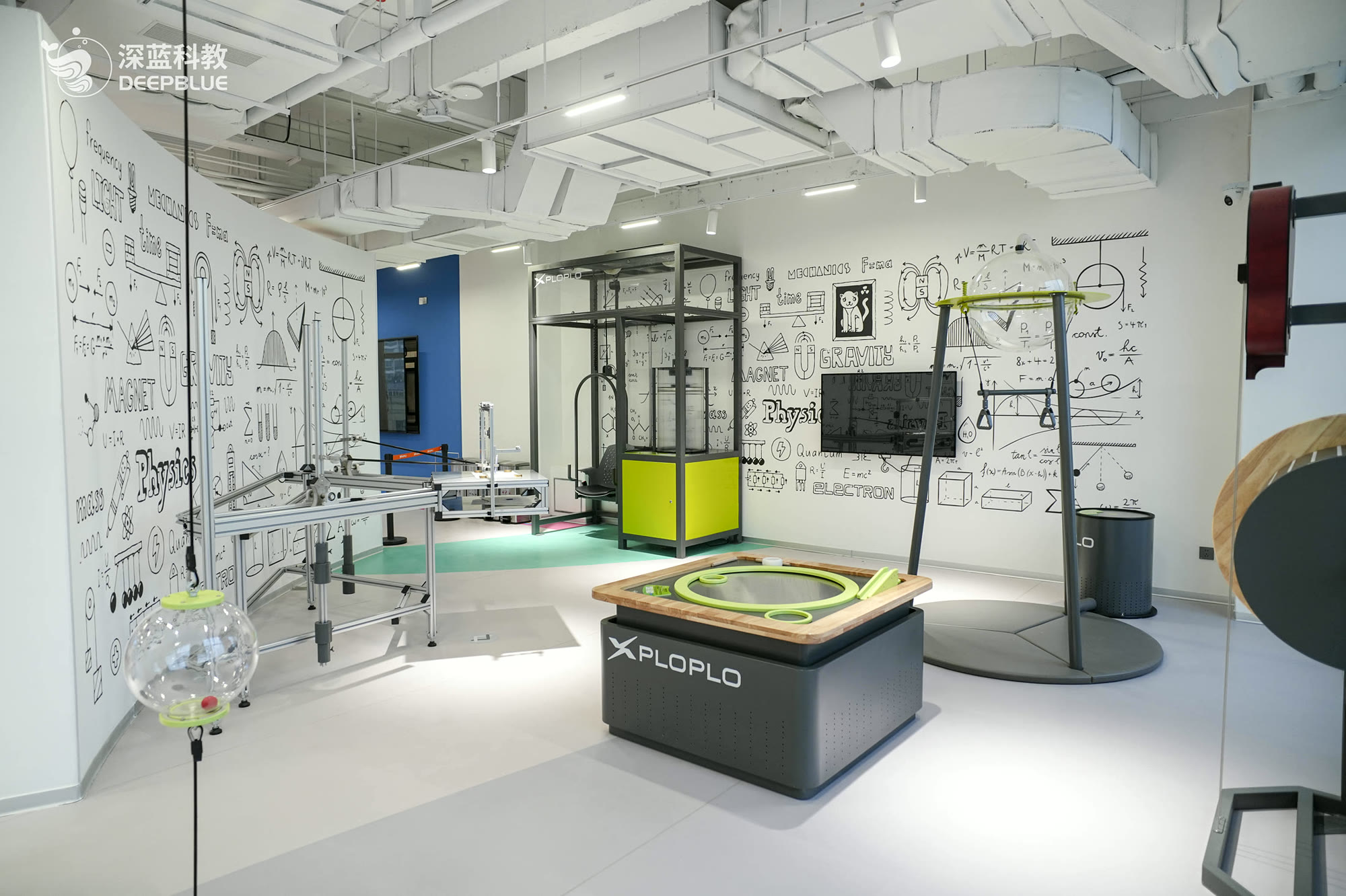
Child-led exploration is treated as a design input.
Case chapter
Make the idea testable
Prototyping, fabrication and full-scale assembly connect the design intention with materials, mechanisms, safety, maintenance and reset routines. The nearby manufacturing base allows questions to move quickly between designers, engineers and makers.
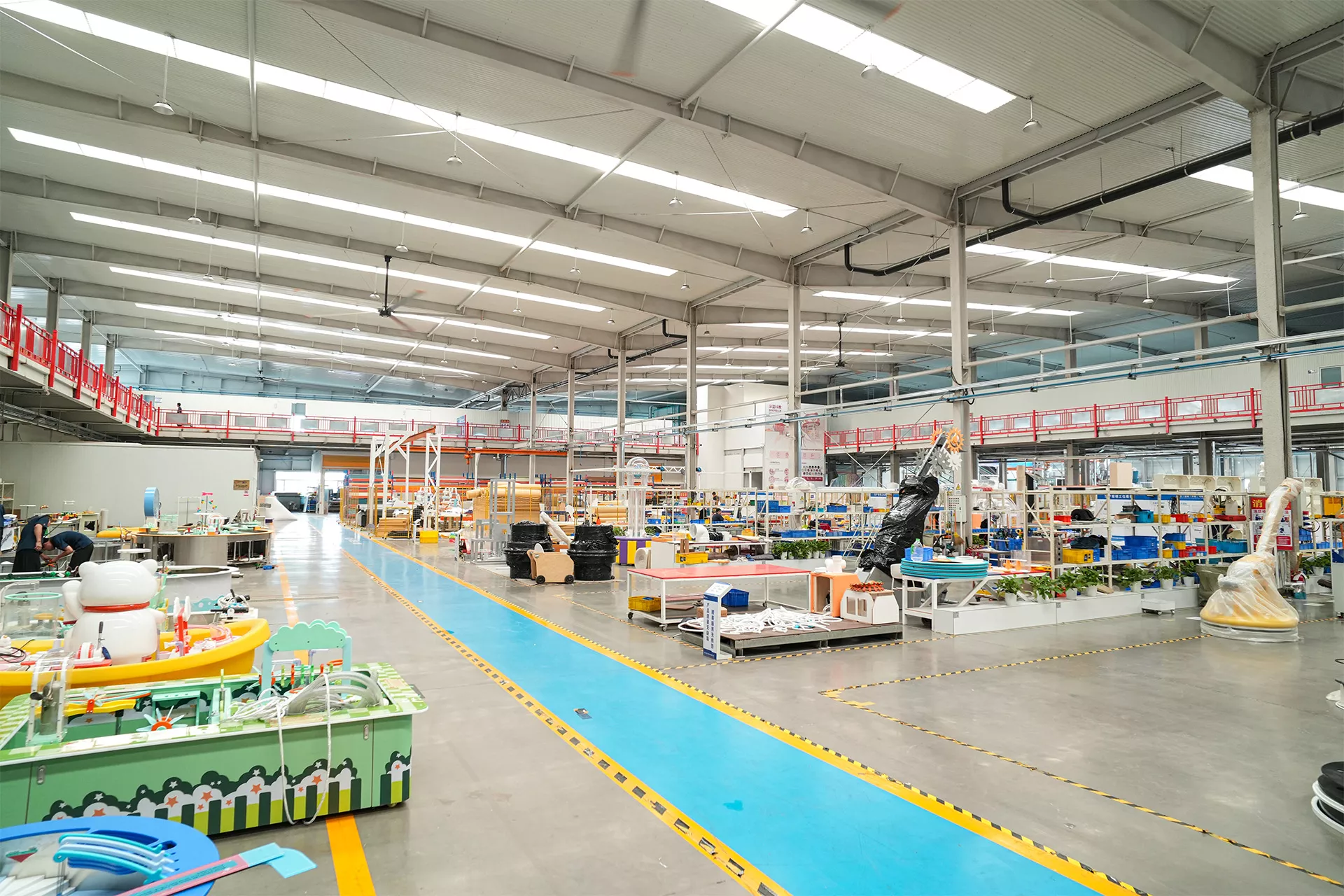
Unknowns become physical decisions before opening.
Case chapter
Observe real use
Children, families, programmes, staff routines and maintenance reveal what drawings and opening-day reviews cannot. Observation is not presented as surveillance or a vanity metric; it is a disciplined way to identify friction, delight and opportunities for improvement.
Daily operation exposes the difference between intent and use.
Case chapter
Feed learning back into design
Operating observations create questions for the next exhibit, maintenance decision and visitor journey. This closes one cycle and begins another: design, build, operate, observe, learn and improve.
Project film
XPLOPLO in operation
Moving footage places the finished environment back in use, showing how children, families, exhibits and space meet in the live venue.
XPLOPLO field film · DeepBlue source material
Related capabilities
Follow the evidence back into the delivery system.
Planning something similar?Tell us what you want people to experience.Leave a project message